Our philosophy
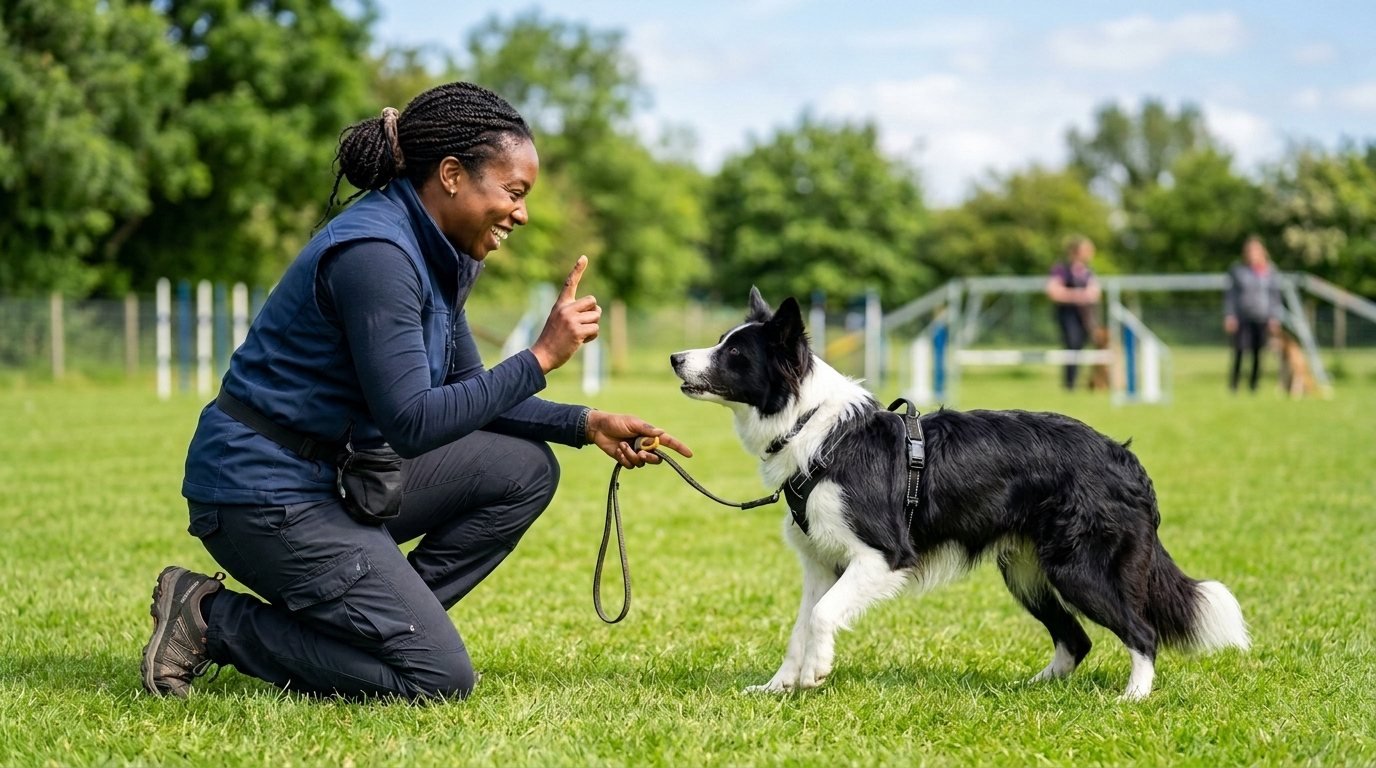
Trust before obedience. Communication before correction.
Training works best when a dog feels safe enough to learn and an owner understands how to guide that learning with clarity and consistency.
A dog’s behavior is communication
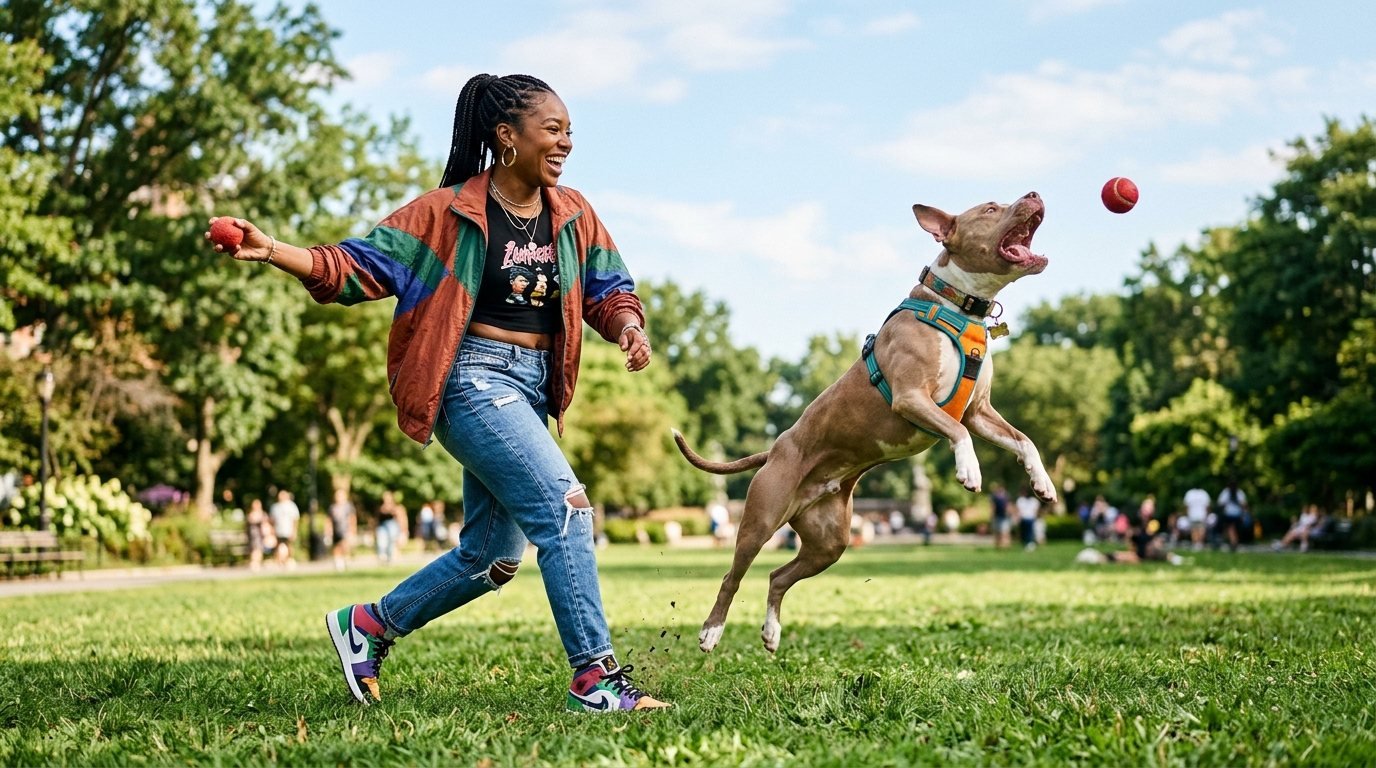
Barking, lunging, freezing, hiding, guarding, chewing, pulling, jumping, and ignoring cues are not random events. They are responses shaped by emotion, learning history, environment, reinforcement, stress, and the skills a dog has—or has not yet learned.
That does not mean every behavior should be accepted. It means the best plan starts by asking what the behavior accomplishes for the dog and what needs to change around it. Clear expectations matter. So do timing, consistency, management, and realistic practice.
New Leash Dog Training focuses on helping owners read the situation more accurately, prevent avoidable setbacks, and teach behavior that can hold up in daily life.
Training both ends of the leash
Owners need a plan they can actually follow
A training session is only one small part of a dog’s week. The routines at the door, the way walks begin, the response to visitors, the structure around meals, and the handling of difficult moments all influence progress.
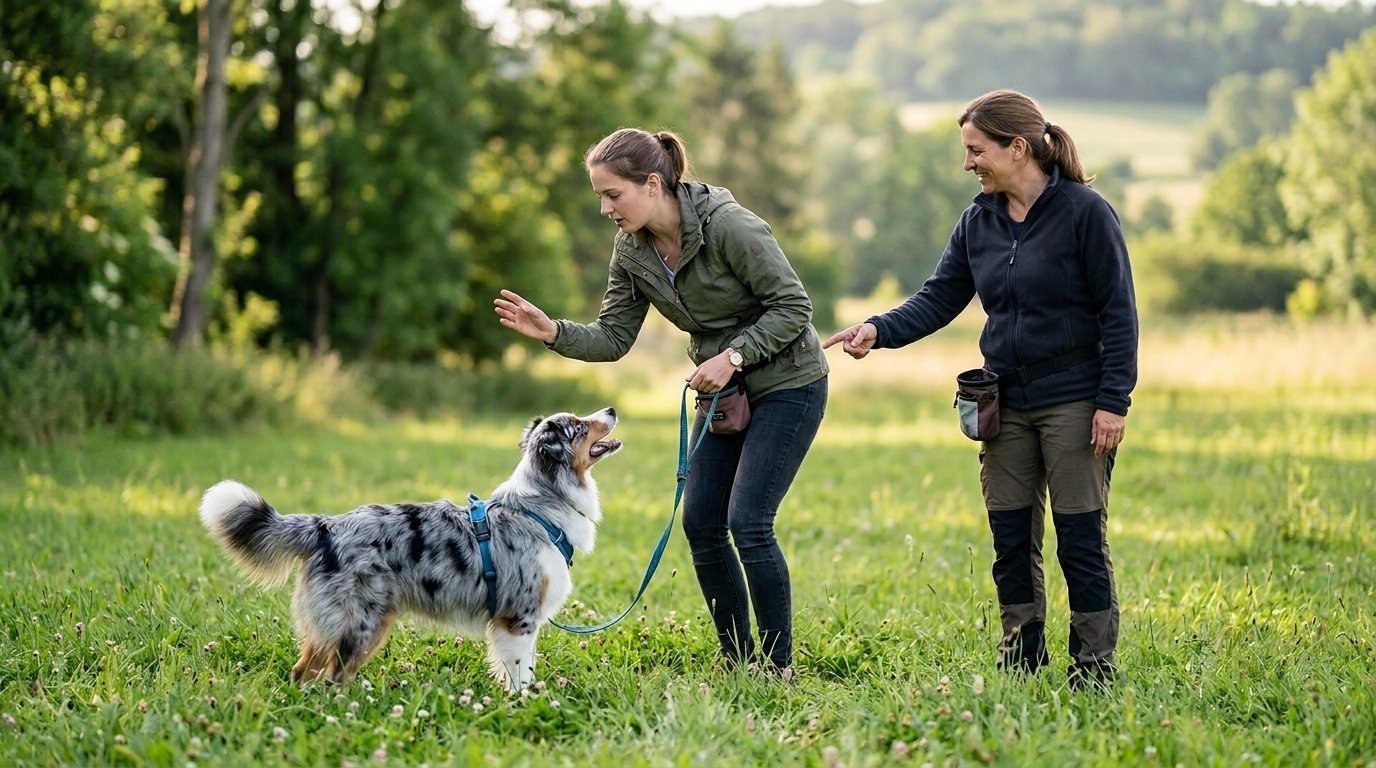
Private coaching gives owners room to ask questions, practice timing, and understand why a recommendation matters. The plan is adjusted around the household, the dog’s current ability, and the environments where success is needed.
- Clear, repeatable communication
- Realistic household routines
- Gradual work around distractions
- Safety-conscious management
- Practice that fits daily life
- Honest expectations
What guides the work
Five principles behind every training plan
Understand first
We begin with the dog’s history, patterns, environment, and current skills rather than treating every case the same.
Protect safety
Management is not failure. Thoughtful distance, routines, barriers, and preparation can prevent rehearsal of dangerous or overwhelming behavior.
Teach clearly
Dogs learn better when expectations are consistent and owners know what to reinforce, when to pause, and how to make the next step achievable.
Build confidence
Confidence grows through successful repetitions, predictable communication, and gradual exposure—not by forcing a dog through fear.
Practice in real life
Skills are strengthened in the places they are needed: homes, neighborhoods, cars, patios, parks, and other appropriate settings.
Support the relationship
The measure of progress is not only compliance. It is a household that feels more understandable, manageable, and connected.
No one-size-fits-all promises
Progress is personal
Dogs differ in temperament, genetics, age, health, history, environment, and recovery from stress. Owners also differ in schedules, homes, physical ability, and goals. That is why responsible training should set direction without pretending every dog will move at the same pace.
The commitment is to practical guidance, honest feedback, thoughtful adjustments, and a plan that respects both safety and quality of life.
Find a starting point